





UPS inverter vs battery backup: which should buyers pick?
- Understanding UPS Inverter vs Battery Backup: Which Should Buyers Pick?
- 1. What is the primary difference between a UPS inverter and a battery backup?
- 2. How do the switching times of UPS inverters and battery backups compare?
- 3. Which system offers longer backup durations?
- 4. What are the maintenance requirements for UPS inverters and battery backups?
- 5. How do the costs of UPS inverters and battery backups compare?
- 6. Which system is more suitable for home use?
- 7. Can a UPS inverter be used as a battery backup?
- 8. What are the advantages of using a UPS inverter over a battery backup system?
- Conclusion: Why Choose Congsin?
Understanding UPS Inverter vs Battery Backup: Which Should Buyers Pick?
When it comes to ensuring an uninterrupted power supply, two primary solutions often come into consideration: UPS inverters and battery backups. Both serve the purpose of providing power during outages, but they operate differently and cater to distinct needs. This article delves into the specifics of each, addressing common questions to guide you in making an informed decision.
1. What is the primary difference between a UPS inverter and a battery backup?
A UPS (Uninterruptible Power Supply) inverter is designed to provide immediate backup power during power interruptions, ensuring a seamless transition without any delay. It offers protection against voltage fluctuations and is ideal for sensitive equipment that requires continuous power. In contrast, a battery backup system, often referred to as an inverter system, converts DC power from batteries into AC power and is typically used for longer-duration backup, suitable for powering multiple appliances over extended periods.
2. How do the switching times of UPS inverters and battery backups compare?
The switching time, or the time it takes for the system to switch from grid power to battery power during an outage, varies between the two:
UPS Inverter: Provides an almost instant response, typically switching to battery power within milliseconds (often 2-5 milliseconds). This seamless transition prevents downtime and power loss for sensitive equipment, which is why UPS is preferred for mission-critical applications.
Battery Backup: Generally has a longer response time when switching from the grid to battery power, usually taking a few seconds to activate. This delay can cause devices to shut down momentarily before the inverter takes over.
3. Which system offers longer backup durations?
UPS Inverter: Designed for short-term use, typically providing backup power for a few minutes to an hour. Its primary function is to bridge the gap between the loss of grid power and the restoration of service.
Battery Backup: With the right battery capacity, inverters can provide backup power for several hours, depending on the load. This makes them a more reliable option for longer power outages.
4. What are the maintenance requirements for UPS inverters and battery backups?
UPS Inverter: Requires minimal maintenance. Periodic checks on battery health and ensuring the system is free from dust and debris are recommended.
Battery Backup: Continuous battery maintenance is recommended to ensure optimal performance. This includes monitoring battery health, checking water levels in tubular batteries, and ensuring proper ventilation.
5. How do the costs of UPS inverters and battery backups compare?
UPS Inverter: Generally more expensive due to the advanced technology and immediate response capabilities. Prices can range from $150 to $500, depending on capacity and features.
Battery Backup: Typically less expensive, with prices ranging from $100 to $300 for the device alone, plus additional costs for batteries and installation.
6. Which system is more suitable for home use?
For home use, the choice depends on your specific needs:
UPS Inverter: Ideal for powering sensitive electronics like computers, routers, and medical equipment that require immediate backup and protection against power fluctuations.
Battery Backup: Suitable for powering essential appliances such as lights, fans, and refrigerators during extended outages, especially in areas prone to longer power interruptions.
7. Can a UPS inverter be used as a battery backup?
Yes, a UPS inverter can function as a battery backup, especially if you're not powering critical devices. An inverter with a fast response time and a reliable battery can function similarly to a UPS. Many homes and small offices use them for this purpose. However, it's essential to ensure that the inverter's switchover time and output quality meet your needs.
8. What are the advantages of using a UPS inverter over a battery backup system?
Immediate Response: UPS inverters provide an almost instant switch to battery power, ensuring no interruption for sensitive equipment.
Power Conditioning: They offer power conditioning, stabilizing voltage and filtering noise, which is crucial for protecting sensitive electronics.
Compact Design: UPS systems are generally more compact and suitable for environments where space is limited.
Conclusion: Why Choose Congsin?
When selecting a power backup solution, it's crucial to consider your specific needs, the nature of the equipment you intend to protect, and the typical duration of power outages in your area. Congsin offers a range of high-quality UPS inverters and battery backup systems tailored to meet diverse requirements. With advanced features, reliable performance, and excellent customer support, Congsin ensures that your power needs are met efficiently and effectively.
For more information on our products and to find the perfect solution for your needs, visit our website or contact our sales team today.
References:
(https://nenpower.com/blog/the-differences-between-ups-and-inverters/)
(https://eshop.se.com/in/blog/post/home-ups-vs-inverter-what-s-the-difference.html)
(https://techwithnk.com/inverter-vs-ups-guide-how-to-choose-the-right-one/)
(https://www.solarinverterbattery.com/mr/faq/what-is-the-difference-between-ups-and-inverter)
(https://mspwebstore.com/blog-detail/Choosing-the-Best-Power-Backup-Solution-for-Your-H)
(https://www.sorosolar.com/news/how-do-ups-and-inverter-work-differently-in-power-backup/)
(https://innotinum.com/blogs/inverters-vs-ups-which-one-to-prefer)
(https://smartbuy.alibaba.com/buyingguides/inverter-and-battery)
(https://myliontech.com/zh/you-should-know-what-you-need-a-ups-or-inverter/)


Modified Sine Wave Inverters
How to connect to the battery?
Use the included battery clips, connect the red clip to the positive pole of the battery and the black clip to the negative pole. Ensure good contact and no short-circuit risk when connecting.
Can I customize the logo?
Yes, OEM/ODM service is available.
How to connect the battery with the battery clip?
Connect the positive and negative poles of the battery clip to the positive and negative poles of the battery respectively, and ensure a firm connection.
Pure Sine Wave Inverters
Can it run inductive loads like fridges or tools?
Yes, pure sine wave output supports all load types.
Distributor
Do you provide marketing and sales materials?
Yes, we provide a range of marketing resources, including brochures, digital content, and product training.
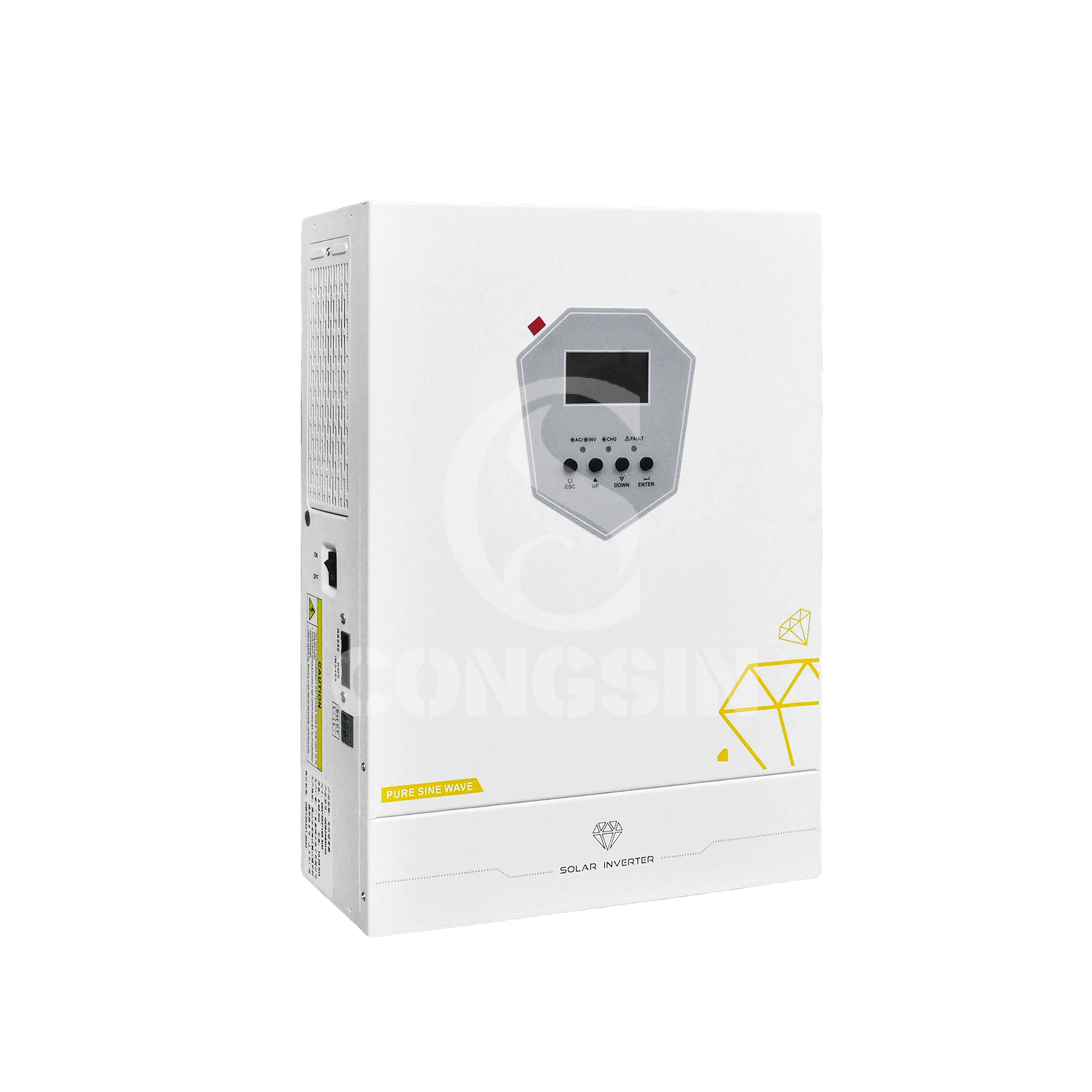
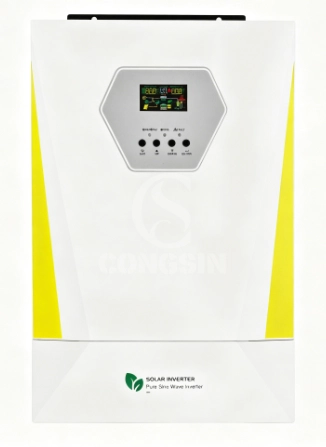
Power your solar system efficiently with the Congsin 4000W and 6000W Hybrid Inverter. Featuring an integrated MPPT Controller, this CE Certified inverter ensures optimal energy conversion. Monitor performance effortlessly via the intuitive LCD Display. Reliable, powerful, and ready for your sustainable energy needs.
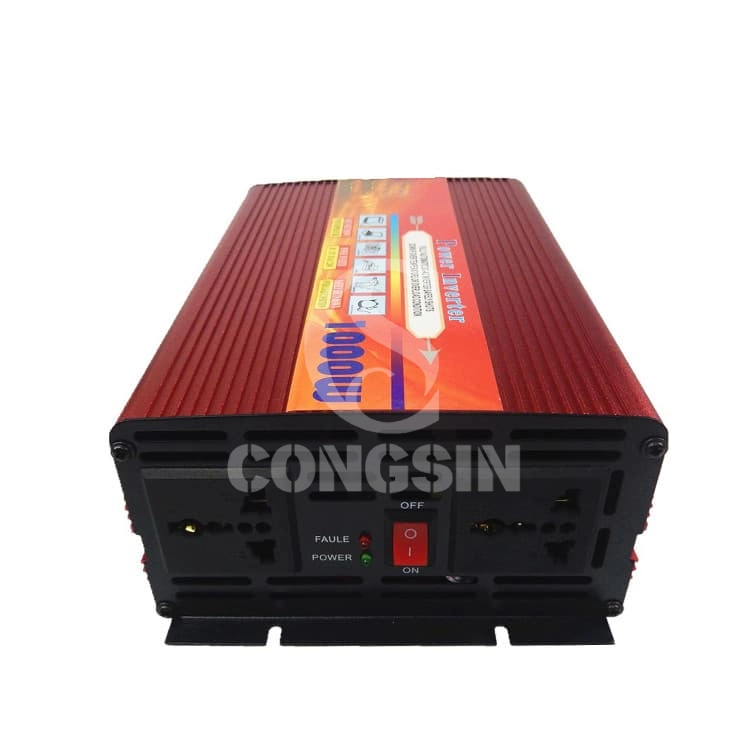
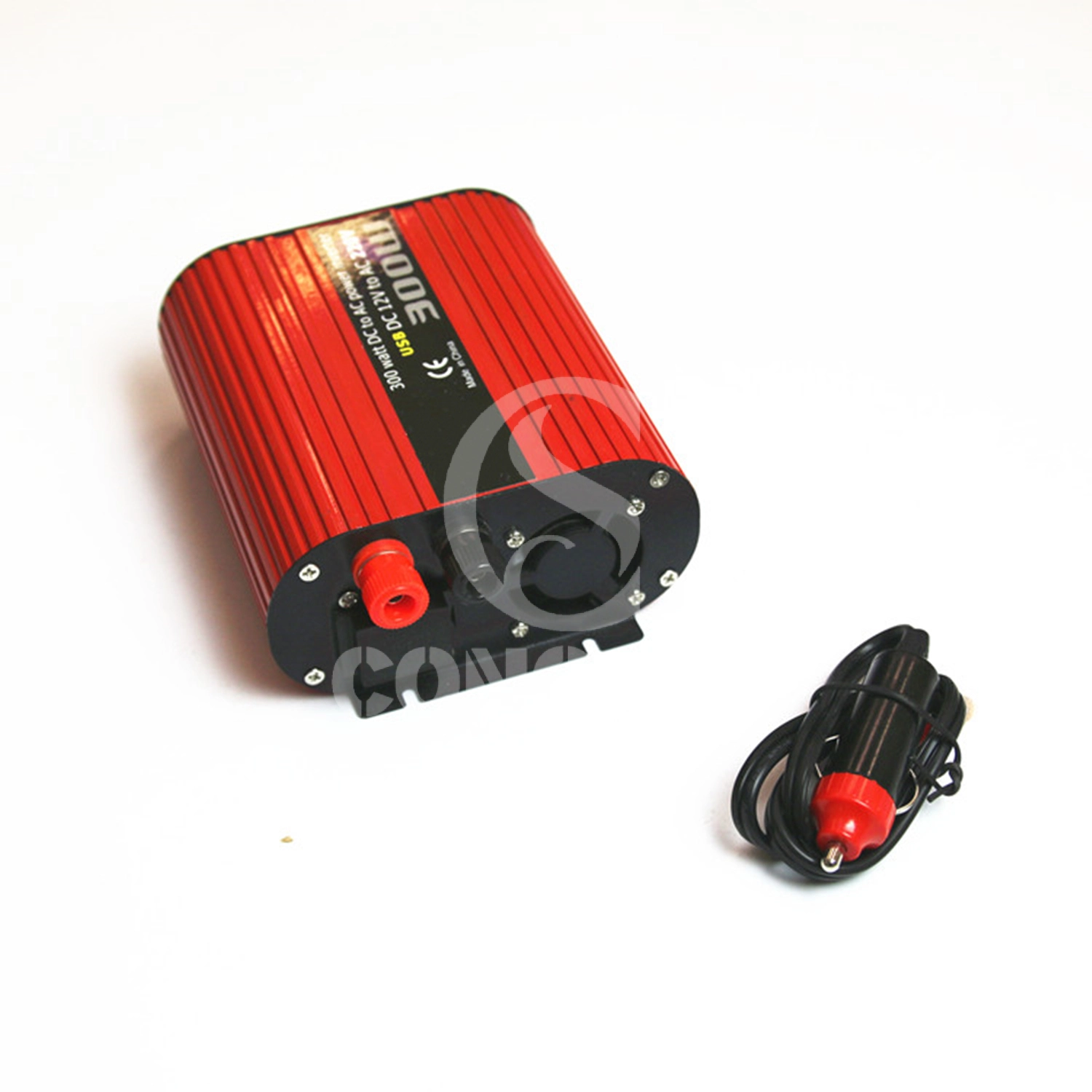
Congsin's Portable 150W Modified Sine Wave Inverter powers your journey! This versatile Car Power Inverter with USB acts as a reliable 12V to 220V converter, ensuring an essential off-grid power supply. With dual USB ports and a universal socket, enjoy convenient power on the go.
Get in Touch with Our Team
You can also communicate with us directly through our online contact form. Please fill in the following information, and our team will contact you as soon as possible after receiving your message.

CONGSIN is a trusted OEM factory for power inverters, solar charge controllers, and DC converters. Reliable solutions for global B2B buyers.
 High Quality
 7/24 Service
 Guaranteed Warranty
© 2025 Congsin. All Rights Reserved.
 WeChat
 Scan QR Code
sin cong
teaimei10
Whatsapp: +8618028086791
Scan QR Code